Educational Insights on Natural Nutrition
Explore the role of natural dietary components in supporting energy and wellbeing for adults.
Educational content only. No medical services. No promises of outcomes.
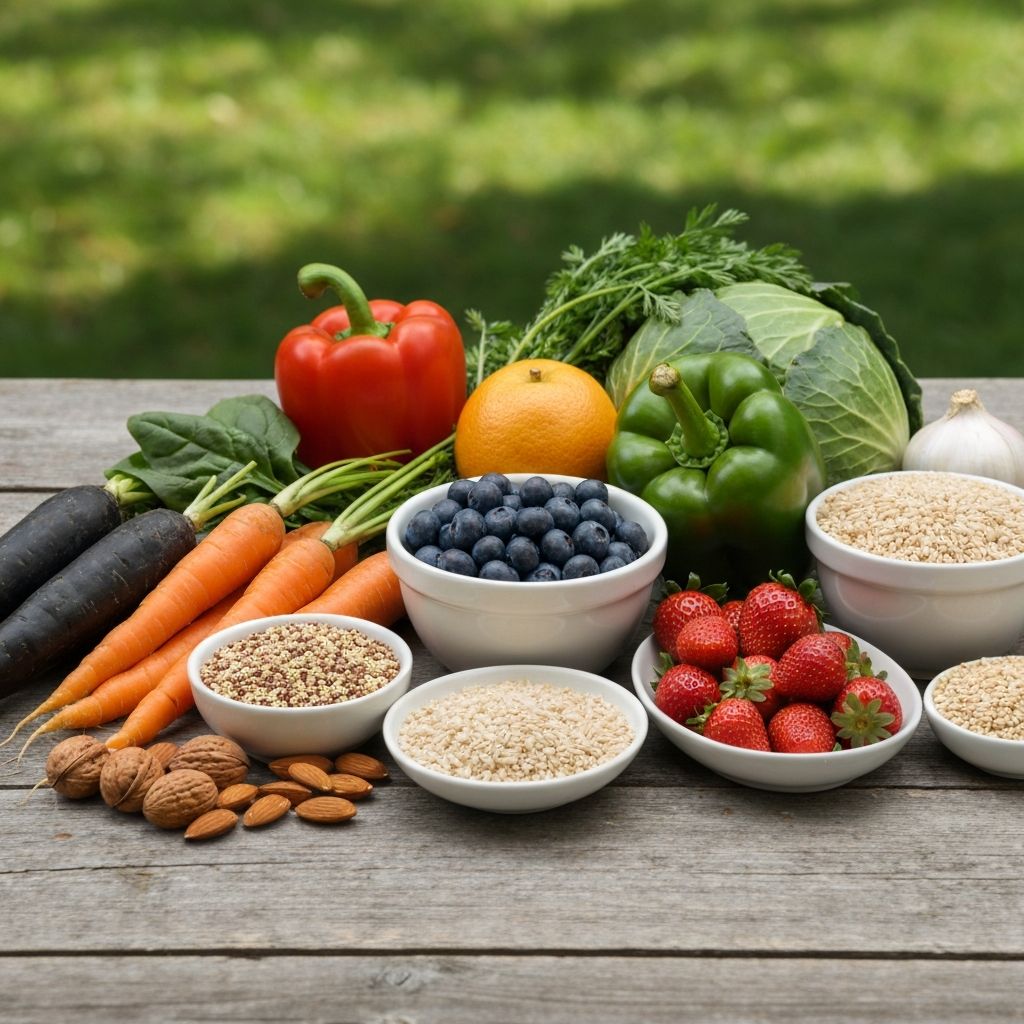
Introduction to Natural Ingredients for Energy
Natural ingredients have been part of human nutrition for millennia. Different cultures have developed unique relationships with local foods, herbs, and plants that provide essential nutrients.
Understanding the composition of these ingredients helps explain their role in daily nutrition. Many natural foods contain combinations of macronutrients and micronutrients that contribute to overall dietary balance.
This educational resource explores how various natural components function within the context of human nutrition, without making claims about specific health outcomes.
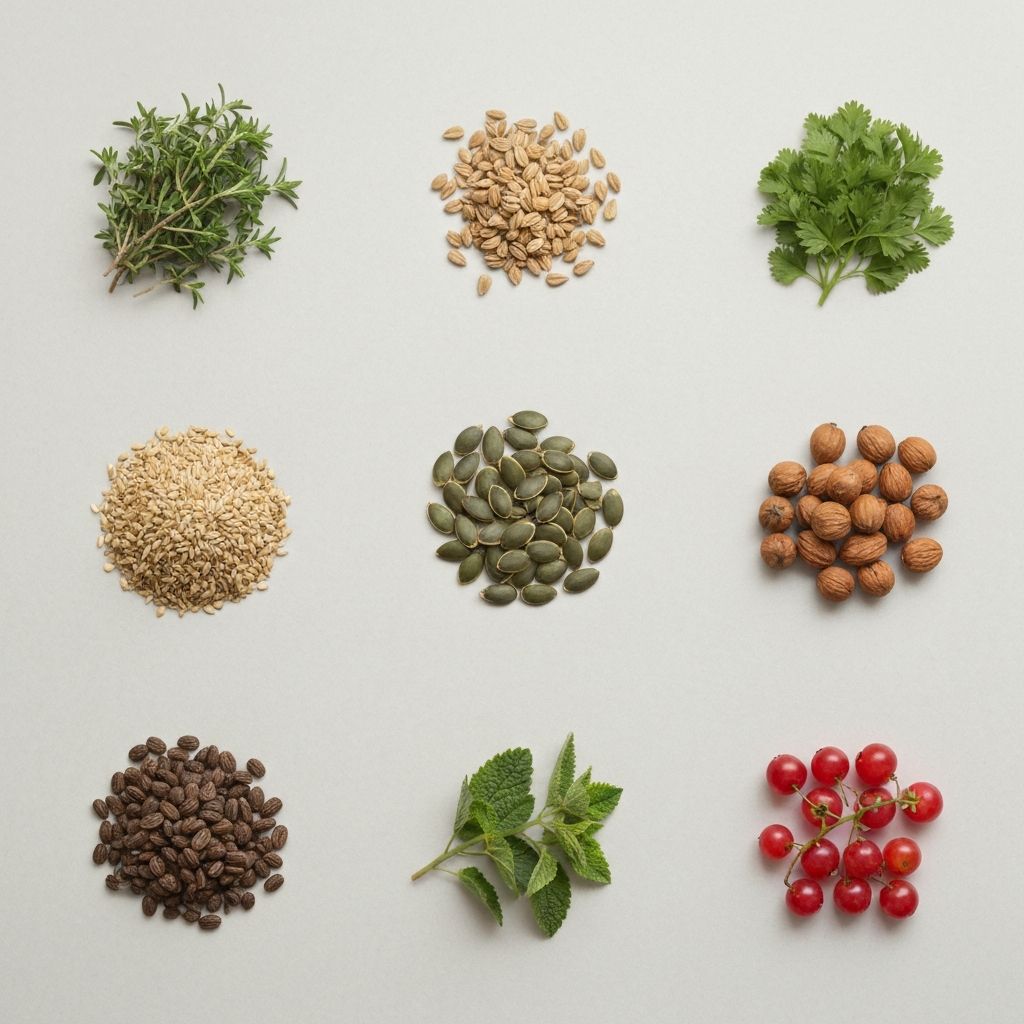
Macronutrients Overview
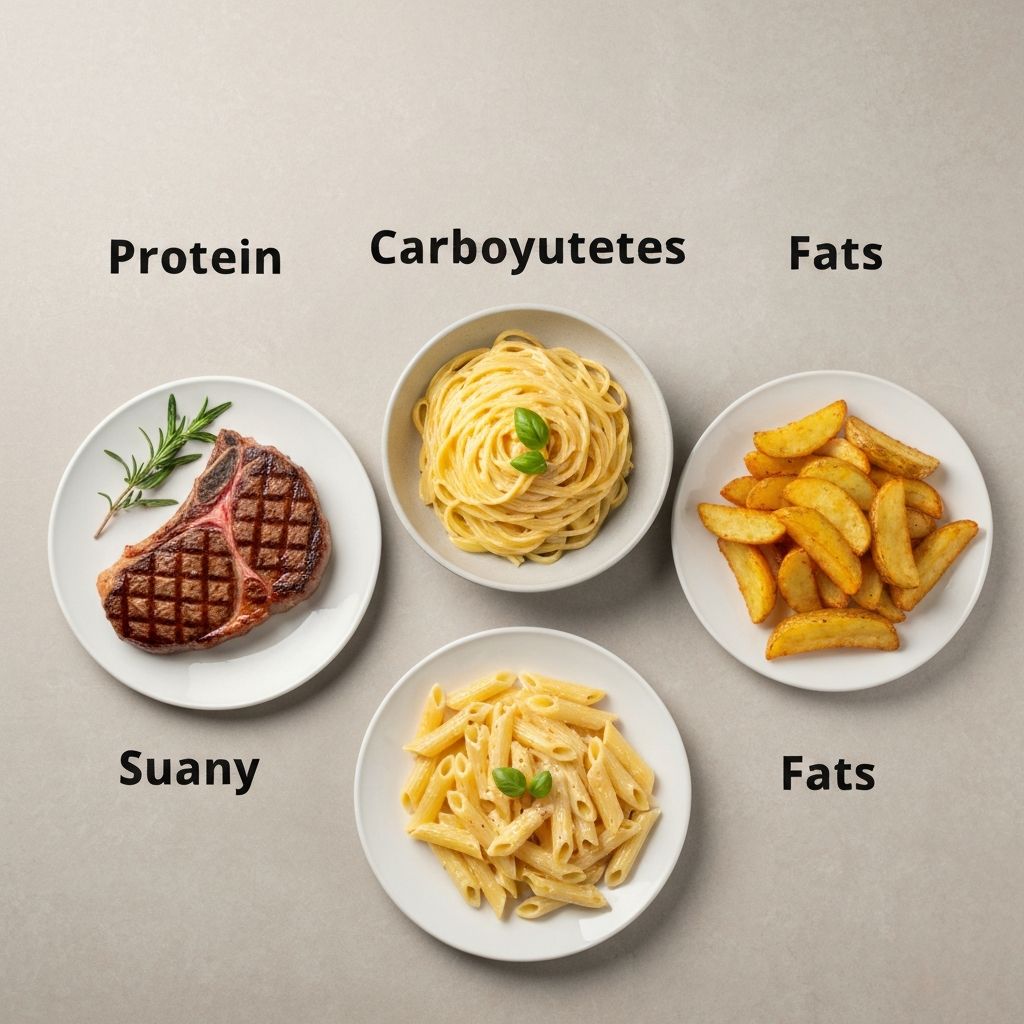
Macronutrients are the primary components of food that provide energy and structural materials for the body. They include proteins, carbohydrates, and fats.
Proteins
Proteins are composed of amino acids and are found in foods such as legumes, nuts, seeds, and various plant and animal sources. They serve structural and functional roles in human biology.
Carbohydrates
Carbohydrates include simple sugars and complex polysaccharides found in grains, fruits, vegetables, and other plant foods. They represent a primary energy source in many dietary patterns.
Fats
Dietary fats include saturated and unsaturated fatty acids found in oils, nuts, seeds, and other sources. They contribute to various biological processes and nutrient absorption.
Micronutrients and Vitamins
Micronutrients are required in smaller quantities compared to macronutrients but play important roles in numerous biological processes.
Vitamins
Vitamins are organic compounds that support various metabolic functions. They include water-soluble vitamins such as vitamin C and B-complex vitamins, as well as fat-soluble vitamins like vitamins A, D, E, and K.
Different foods provide different vitamin profiles. For example, citrus fruits contain vitamin C, leafy greens provide vitamin K, and nuts offer vitamin E.
Minerals
Minerals are inorganic elements essential for various physiological processes. Examples include calcium, magnesium, zinc, iron, and selenium. These are found in varying amounts across different food categories.
Mineral bioavailability can be influenced by food combinations and preparation methods, which is a topic of ongoing nutritional research.
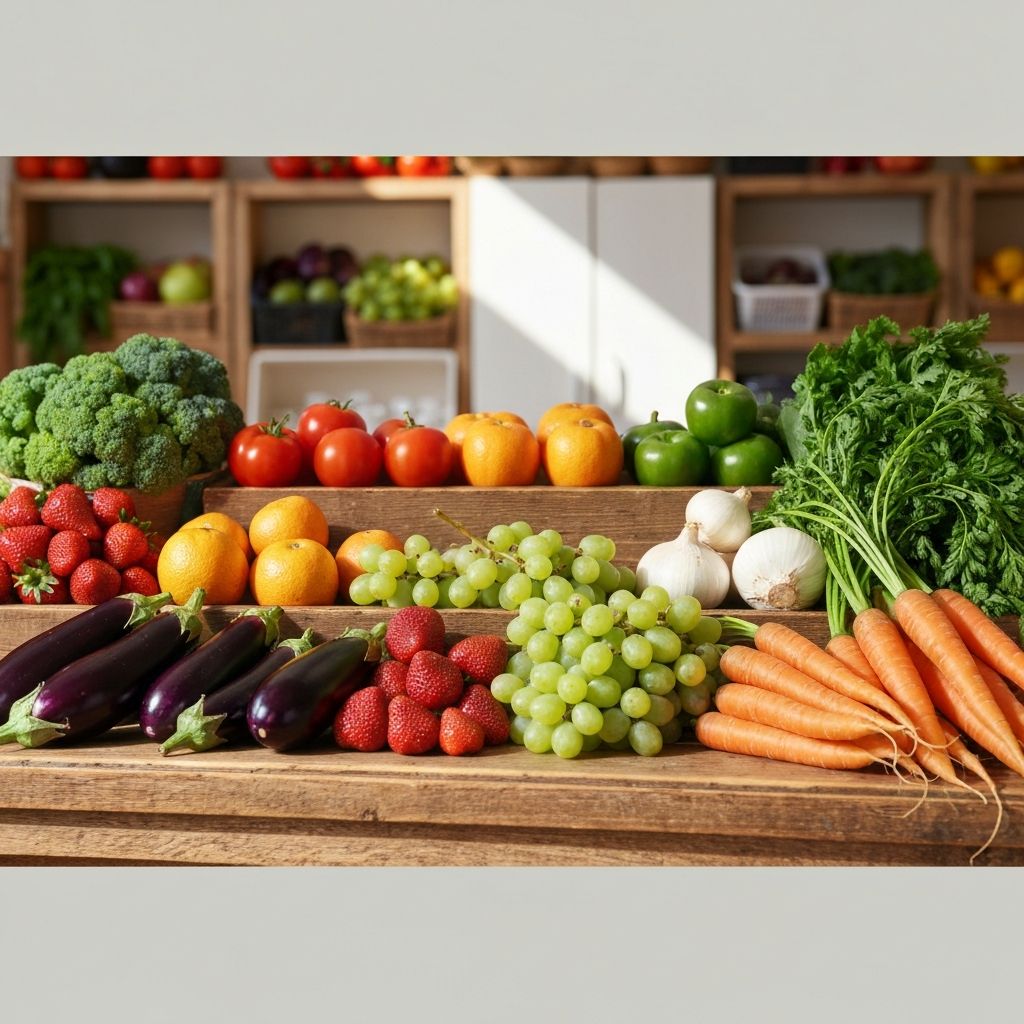
Daily Nutrition Patterns
Nutrition patterns vary widely across cultures and individual preferences. There is no single approach that applies universally to all people.
Some common patterns observed in different populations include:
- Mediterranean-style eating emphasizing vegetables, fruits, whole grains, legumes, and olive oil
- Plant-based patterns focusing on vegetables, fruits, grains, nuts, and seeds
- Traditional Asian patterns incorporating rice, vegetables, soy products, and fish
- Balanced omnivorous approaches including a variety of plant and animal foods
Each pattern reflects cultural traditions, food availability, and individual choices. This resource does not recommend one pattern over another but rather explains the components that characterize different approaches.
Lifestyle Context and Activity
Nutrition exists within the broader context of lifestyle factors. Physical activity, sleep patterns, stress levels, and social connections all interact with dietary habits.
Regular physical activity is associated with various aspects of wellbeing in observational studies. Different types of activity include aerobic exercise, resistance training, flexibility work, and everyday movement.
The relationship between nutrition and activity is complex and individualized. Energy needs vary based on activity levels, body composition, age, and other factors.
This educational resource focuses on nutritional components and does not provide personalized exercise or lifestyle recommendations.

Common Myths and Misconceptions
Nutrition information is often presented in oversimplified or exaggerated ways. Some common misconceptions include:
Single Foods as Solutions
No single food or ingredient provides complete nutrition or addresses complex physiological needs. Nutrition science emphasizes overall dietary patterns rather than isolated components.
Universal Recommendations
Individual nutritional needs vary based on genetics, health status, activity levels, and other factors. What works well for one person may not be optimal for another.
Quick Transformations
Nutritional changes typically influence the body over extended periods. Short-term interventions rarely produce lasting changes without sustained behavioral modifications.
Natural Equals Safe
While many natural ingredients are consumed safely as part of regular diets, the term natural does not automatically indicate safety or suitability for all individuals. Some natural compounds can interact with medications or be inappropriate for certain health conditions.
Informational Perspectives on Supplements
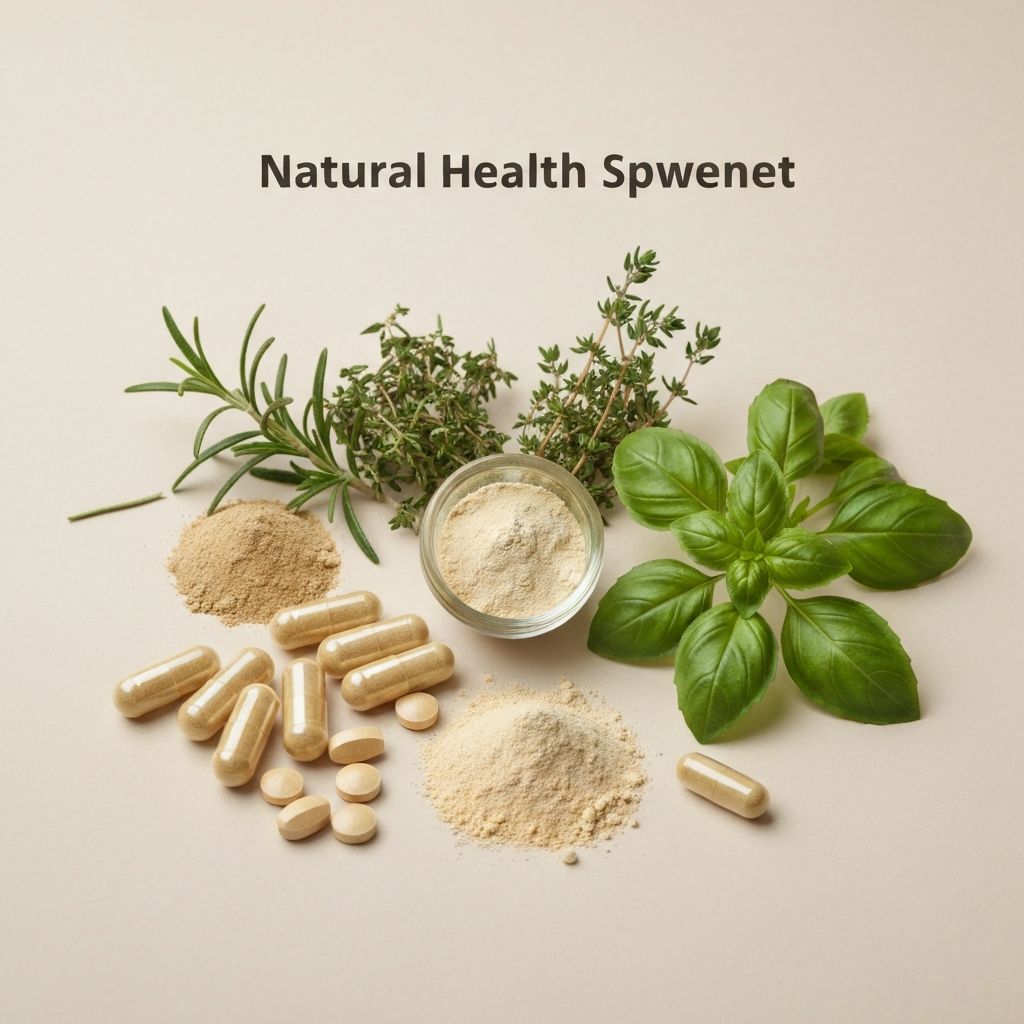
Dietary supplements are products that contain vitamins, minerals, herbs, amino acids, or other dietary ingredients. They are widely available and used by many adults.
Supplements are regulated differently than medications in most jurisdictions. They are not intended to diagnose, treat, cure, or prevent any disease.
Some people choose to use supplements to complement their dietary intake, particularly when certain nutrients may be insufficient from food alone. Common examples include vitamin D in regions with limited sunlight or vitamin B12 for those following plant-based diets.
The quality and composition of supplements can vary between manufacturers. Third-party testing and certification programs exist to verify product contents.
This resource provides educational context about supplements but does not recommend specific products or supplementation protocols.
Limitations and Context
Educational Purpose Only
The information provided on this website is for educational purposes only. It is not intended as medical advice, diagnosis, or treatment.
No Individual Recommendations
This resource does not provide personalized nutritional advice or recommendations. Individual nutritional needs vary based on health status, medications, allergies, and other personal factors.
Diversity of Approaches
There are many valid approaches to nutrition and wellness. This resource presents information about nutritional components without advocating for specific dietary patterns or supplements.
Professional Consultation
Individuals considering significant dietary changes or supplement use should consult with qualified healthcare professionals who can evaluate their specific circumstances.
No Promises or Outcomes
This website makes no claims about health outcomes, benefits, or results from any dietary approach or ingredient discussed.
Frequently Asked Questions
What is the purpose of this website?
This website provides educational information about natural dietary components, macronutrients, micronutrients, and general nutritional concepts. It is an informational resource and does not offer medical services or personalized advice.
Does this website recommend specific diets or supplements?
No. This resource explains nutritional concepts and components but does not recommend specific dietary patterns, supplements, or nutritional interventions.
Can I use this information to make health decisions?
This website provides general educational content only. Health and nutrition decisions should be made in consultation with qualified healthcare professionals who can evaluate individual circumstances.
Is the information on this website evidence-based?
The content reflects general nutritional science concepts and commonly observed dietary patterns. However, it is presented for educational purposes and not as medical or scientific guidance.
Who maintains this educational resource?
This website is maintained as an independent educational project. More information is available on the About page.
Additional Reading and Resources
For those interested in learning more about nutrition science and dietary components, numerous educational resources exist:
- Academic journals publishing peer-reviewed nutrition research
- Educational institutions offering courses in nutrition science
- Government health agencies providing evidence-based dietary guidelines
- Professional organizations representing nutrition and dietetics professionals
Independent learning about nutrition can complement professional guidance but should not replace consultation with qualified practitioners for individual health matters.

Explore More Information
Continue learning about nutritional concepts and natural dietary components.
Learn More About This Project